Materials That Matter: Choosing Tools for Sketchbooks
Match Materials to Purpose
Selecting sketchbook materials is about matching tools to intention. Are you collecting quick observations, making careful tonal studies, or experimenting with colour? Portable, forgiving materials support frequent use, while heavier papers and richer media suit more deliberate work. Clarify the purpose of a sketchbook before filling it with incompatible supplies.
Choosing the Right Paper
Paper weight and texture determine what you can do. Lightweight paper is fine for pencil, ballpoint, and light ink but may buckle under wet media. Heavier paper (140 lb/300 gsm and above) accepts washes and heavier mixed media. Surface texture matters too: smooth papers favor fine line work, while toothy papers hold charcoal and dry pigment more effectively. Consider keeping several sketchbooks with different papers for different tasks.
Selecting Drawing Tools
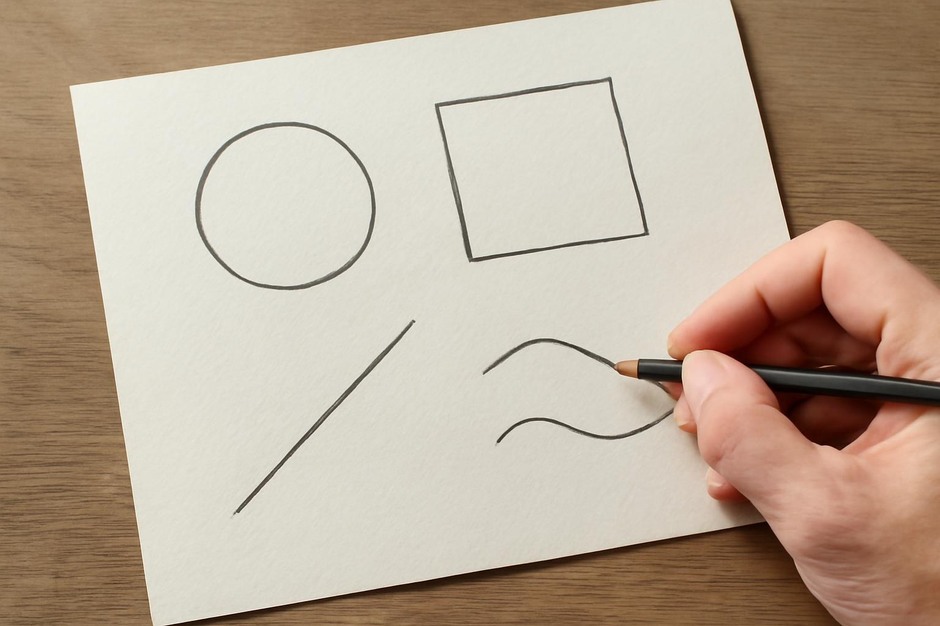
For line and form, a few reliable pencils or pens are enough. A soft pencil (2B-6B) is good for expressive, dark marks; a hard pencil (H-2H) helps with tight contours and light construction lines. Mechanical pencils provide consistent line width, useful in some contexts. Pens—micron, fountain, or brush pen—offer permanence and strong contrast but require confidence, as they resist erasure.
Incorporating Value Tools
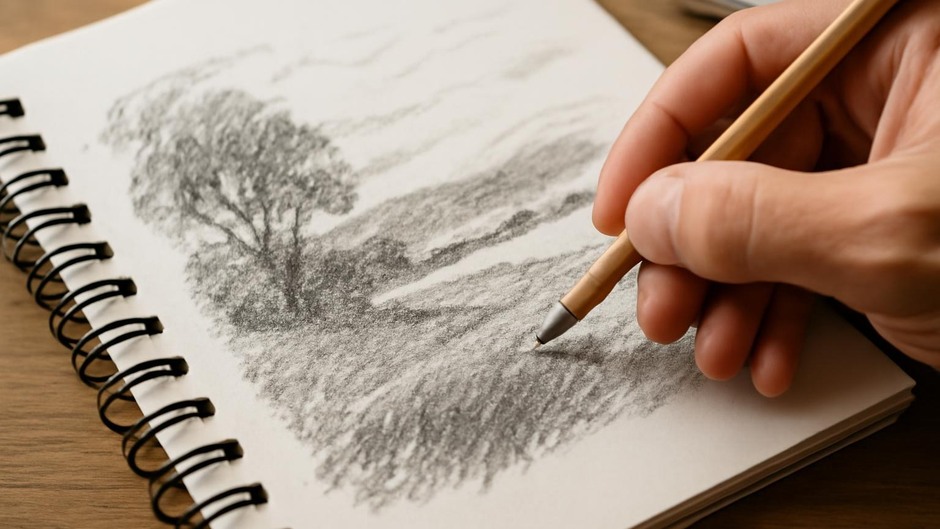
If tonal work matters, include a small set of charcoal sticks, a kneaded eraser, and blending tools like stumps or a tissue. Graphite sticks or soft pencils are versatile for value sketches that communicate depth quickly. Keep erasers handy for both correction and sculpting highlights. Value studies often benefit from a toned paper and a white pencil or gouache for highlights.
Colour and Mixed Media Options
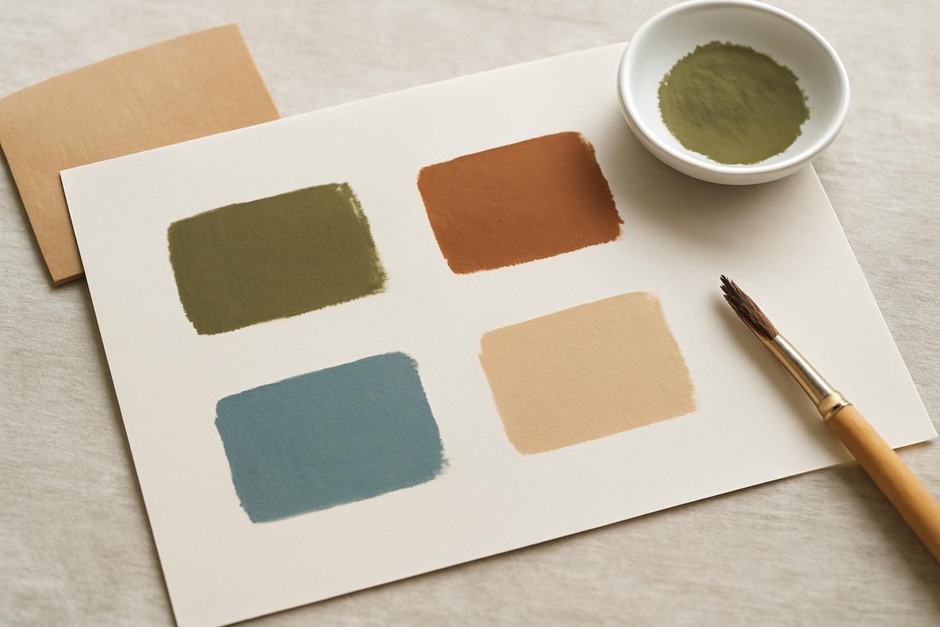
For colour in sketchbooks, carry a limited set of watercolour pans, a small gouache palette, or a few coloured pencils. Compact travel sets are convenient and encourage experimentation. Be mindful of paper compatibility: many sketchbooks need heavier pages to handle water-based media. If you want to combine wet and dry techniques, choose a sketchbook designed for mixed media.
Portability and Convenience
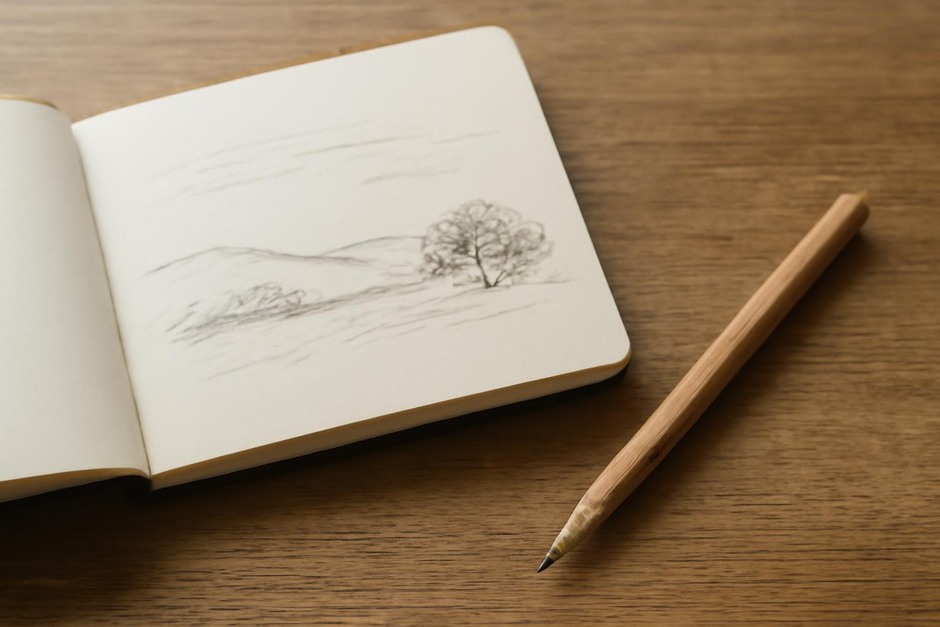
Portability ensures more frequent use. Small formats fit into bags and reduce intimidation. Consider a pen loop, a small pouch for tools, and a durable cover to protect pages. The easier a set of materials is to carry and use, the more likely you are to sketch regularly.
Durability and Cost Considerations
Quality matters, but so does cost-effectiveness. Mid-range sketchbooks and tools often provide the best balance of performance and value. Prioritize a few reliable items rather than many cheap ones. Durable bindings and archival papers are worth the investment if you want sketchbooks to last as records of work.
Organizing a Simple Kit
- Select one small sketchbook for travel and one larger book for studio work.
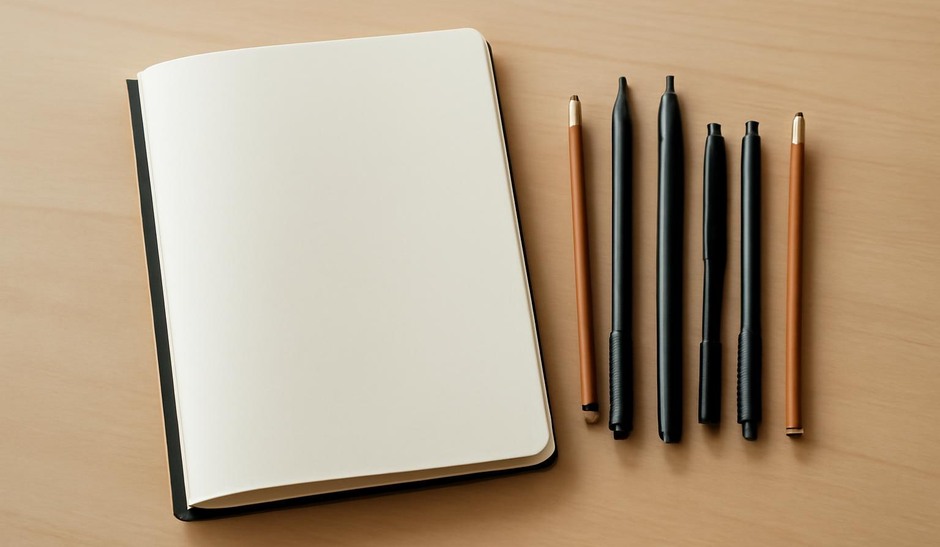
- Include a soft and a hard pencil, a fineliner or brush pen, an eraser, and a small sharpener.
- Add a compact watercolour pan or a couple of coloured pencils if you plan colour studies.
Tools shape practice as much as technique does. Choosing materials that align with your goals makes it easier to keep working and to build consistent habits. Start with a modest kit, learn its limits, and expand thoughtfully as your needs evolve.