Visual Culture in Everyday Life: Looking Beyond the Screen
Everyday Visual Culture as Source Material
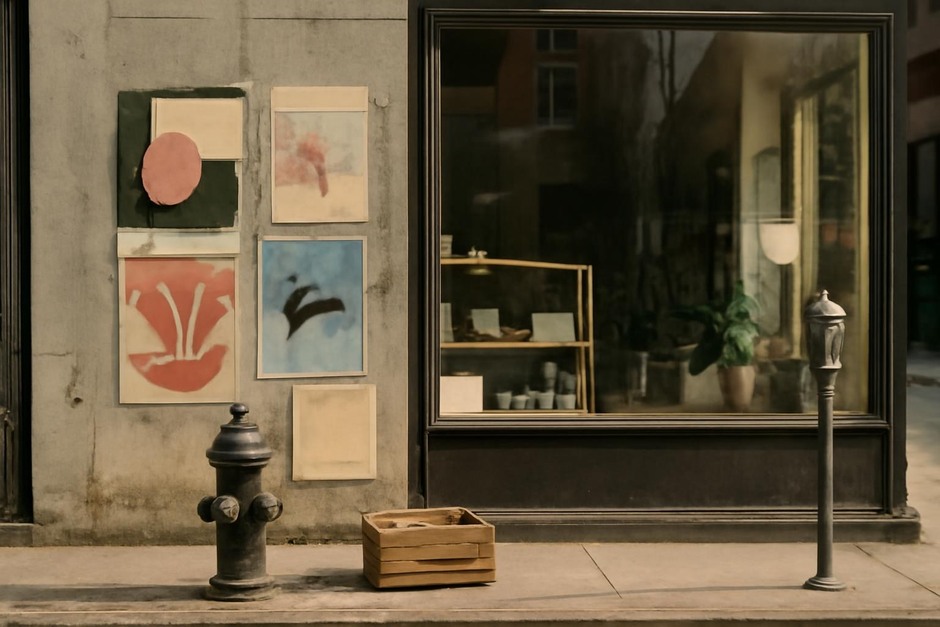
Visual culture is not confined to museums or curated publications. It exists in the way signs are designed, the patterns of tiled walls, the colour of packaging, and the incidental compositions of street corners. Observing these everyday visuals provides a rich archive for artists and observers who want to understand how design, material, and habit shape our visual environment.
Slow Looking in Ordinary Places
Slow looking is the practice of spending focused attention on mundane visuals. Rather than scrolling past images on a screen, pause in a physical setting. Notice the placement of objects, the hierarchy of type on a sign, the unintended colour harmonies in a row of parked cars. These observations sharpen an understanding of how visual elements operate in real contexts.
Take Note of Function and Form
Many aspects of visual culture are functional by design. Consider why a sign uses a particular font or why a poster relies on high contrast. Understanding function helps decode form: legibility needs drive certain type size choices, while material constraints influence texture and finish. Paying attention to these practical decisions deepens visual literacy.
Document Observations with Sketches and Notes
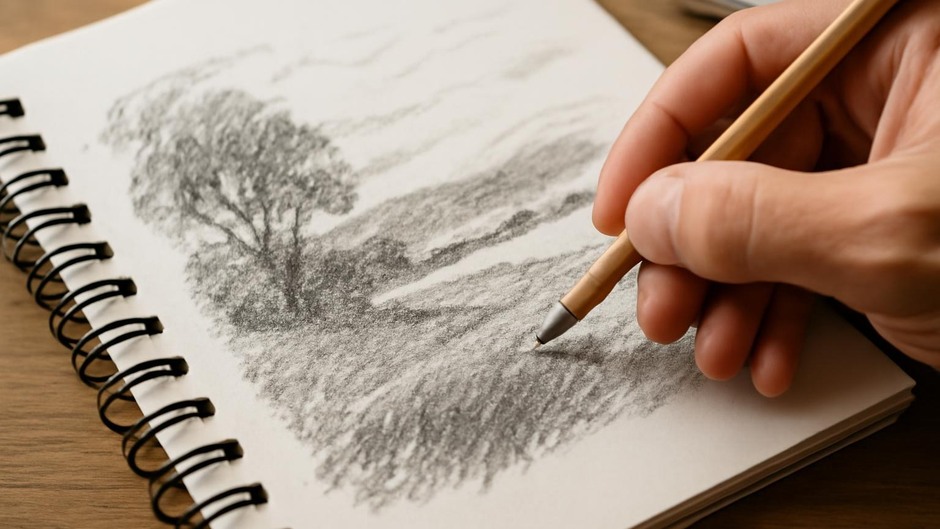
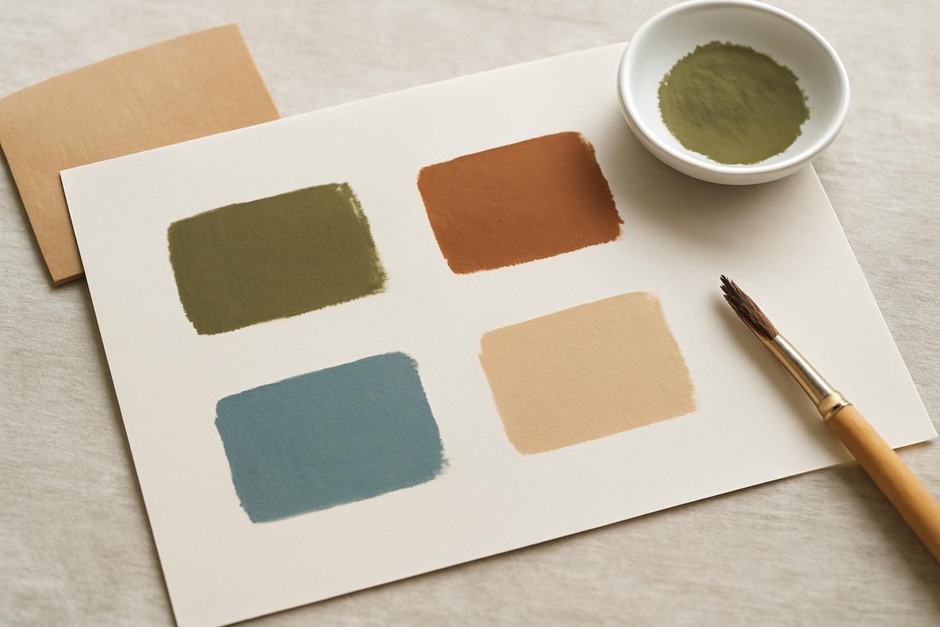
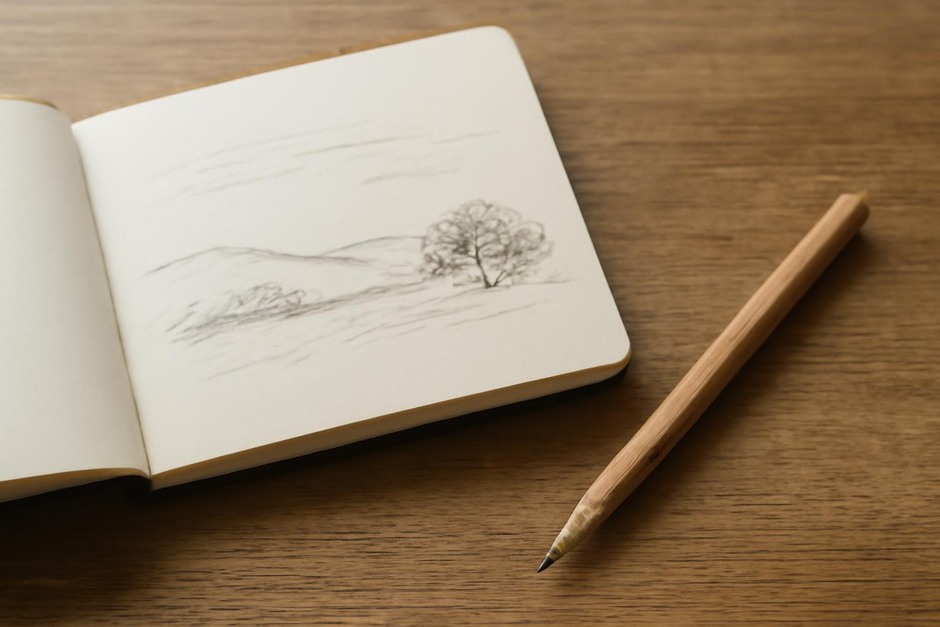
Record visual finds in a sketchbook. Quick sketches, diagrammatic notes, and small colour swatches capture essential information. A sketch of a storefront awning, for example, can reveal how proportion, scale, and colour interact within a single composition. Over time these small studies build a resource of shapes, motifs, and design solutions.
Consider Context and Use
Visual elements work within social and physical contexts. A poster designed for a hurried commuter will differ from artwork intended for a slow gallery environment. Observing context helps you understand choices: material durability, viewing distance, and environmental wear all influence how visuals are conceived and experienced.
Practice Critical Curiosity
Approach observations with calm curiosity rather than judgment. Ask questions: What problem is this design solving? How does scale affect legibility? Which details suggest a particular era or material availability? Critical curiosity cultivates insight without turning observation into critique for its own sake.
Collect and Reuse Visual Fragments
Create a personal library of motifs—photographs, sketches, and colour notes that inspire or puzzle you. These fragments can inform future work, provide reference for compositions, or become seeds for abstract explorations. Treat them as raw material rather than finished examples to emulate directly.
Balance Digital and Physical Viewing
Digital images are convenient but often flattened and decontextualized. Complement screen time with in-person observation whenever possible. Notice tactile qualities, subtle shifts in tone, and environmental interactions that a photograph may not convey. This balance leads to richer, more grounded visual understanding.
Everyday visual culture is an open classroom. By looking carefully and recording what you find, you cultivate a broader visual vocabulary and deepen your ability to translate ordinary scenes into meaningful work.