Seeing Like an Artist: Training Creative Observation
What It Means to See Like an Artist
Seeing like an artist is an active process. It involves selective attention, curiosity about structure, and a willingness to slow down. Artists do not merely register objects; they parse relationships—edges, values, colour shifts, and negative spaces. Training this skill is largely practice-based and can be integrated into ordinary routines.
Start with Surface Details
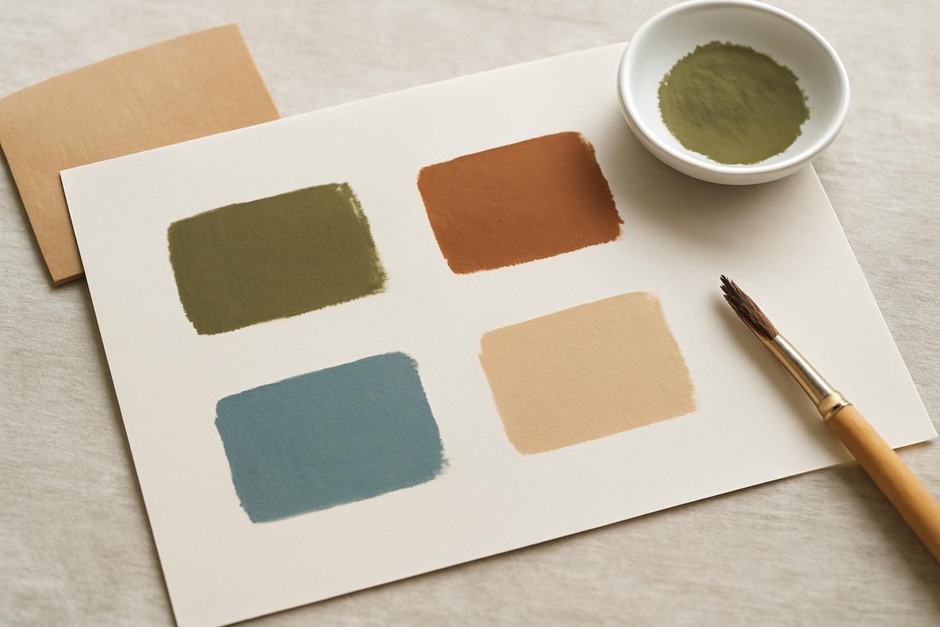
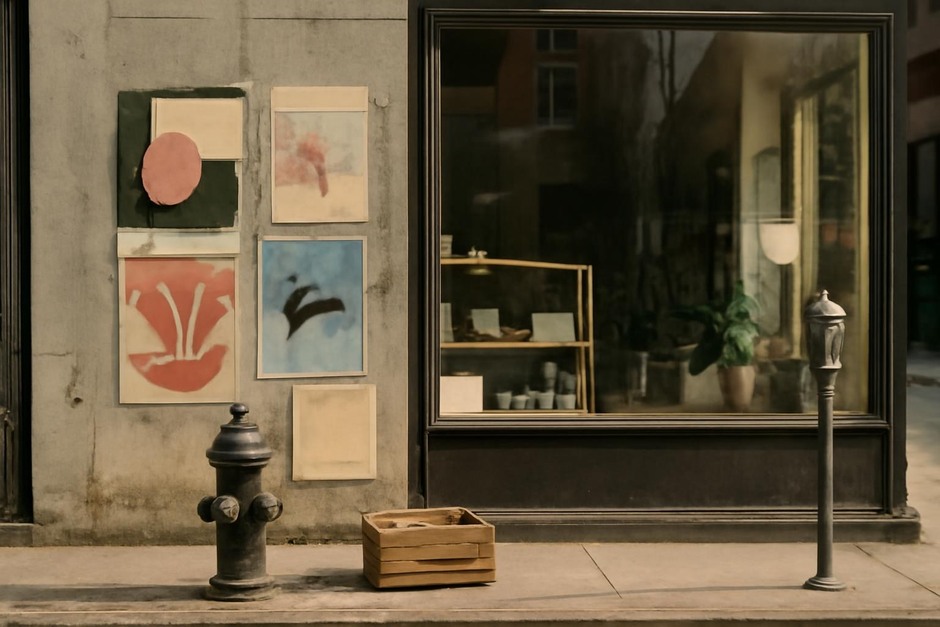
Begin by naming what you see. Describe colours, textures, and materials out loud or in a brief note. Translate vague impressions into specific observations: instead of “green,” identify whether it is olive, moss, or chartreuse. Instead of “smooth,” note whether a surface has sheen, fine grain, or worn matte areas. Language helps refine perception by forcing specificity.
Practice Looking for Structure
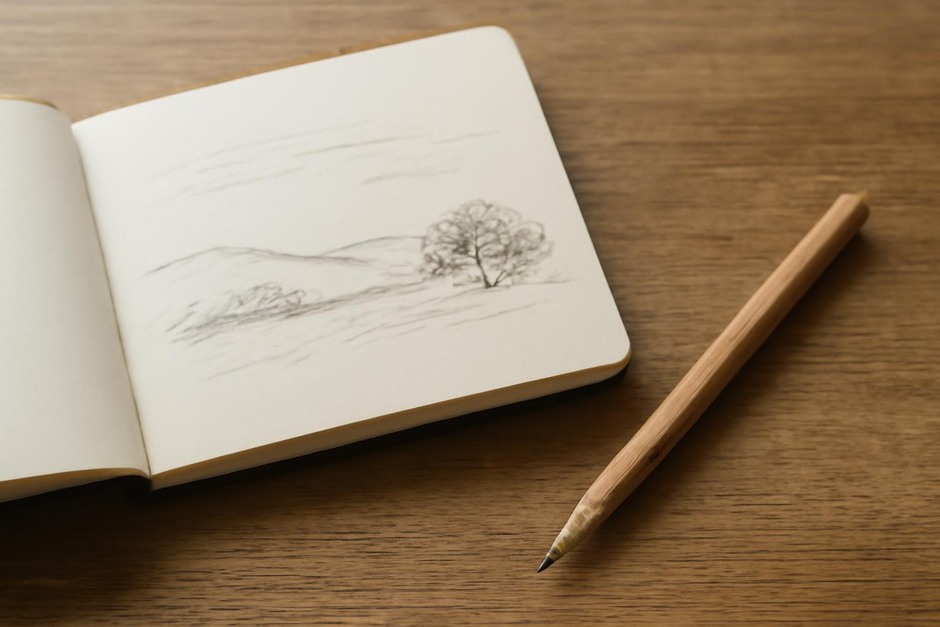
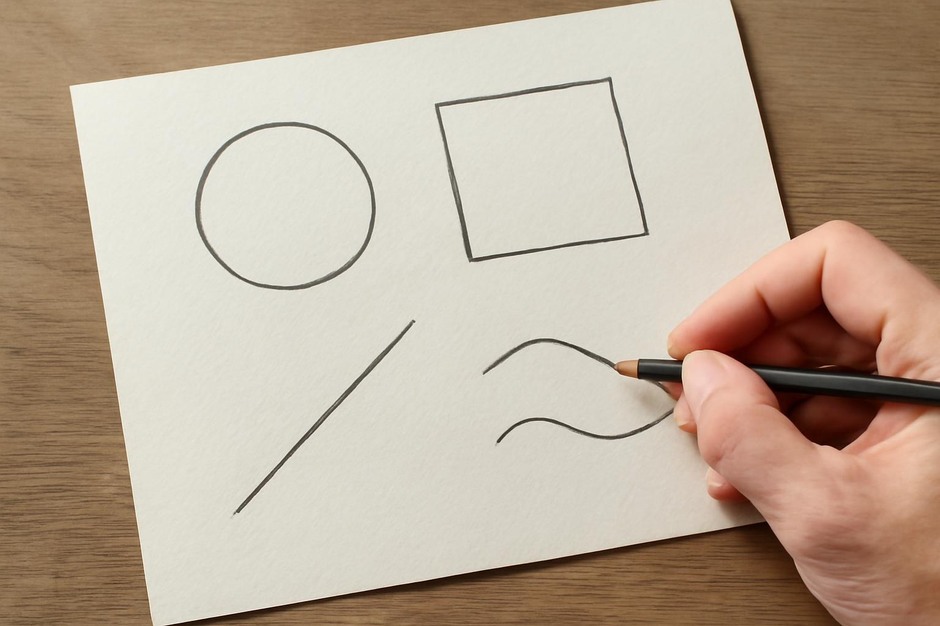
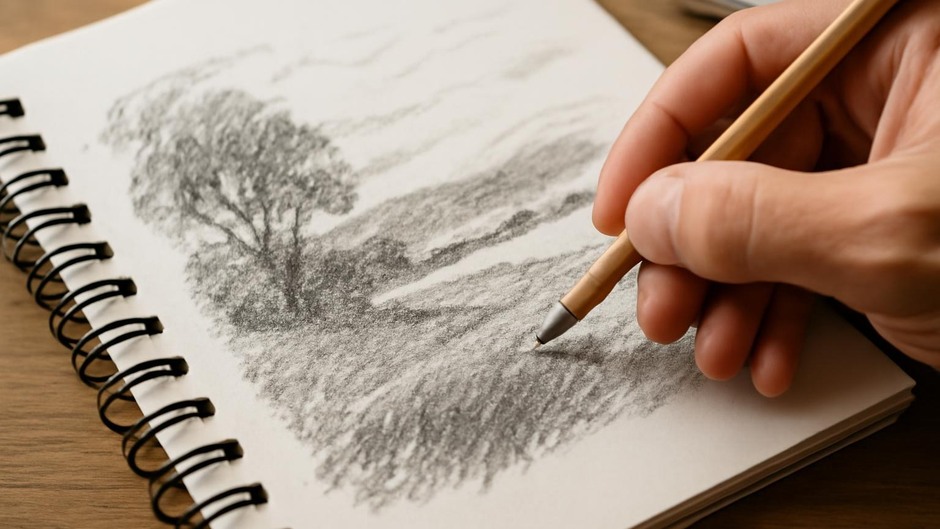
Break scenes into basic components: large shapes, main lines, and supporting details. Sketching simple outlines or value blocks helps reveal how parts relate to the whole. Study negative space—the gaps between forms—and treat them as compositional elements. Noticing proportional relationships is more useful than trying to copy every detail at once.
Shift Your Focus Regularly
Alternate between different modes of seeing. Spend a few minutes observing colour relationships, then shift to line quality or texture. Training sessions that isolate one variable reduce cognitive overload and highlight patterns you might otherwise miss. For instance, focusing solely on temperature shifts—warm versus cool tones—reveals a different set of relationships than a session devoted to edge sharpness.
Use Time Constraints as a Tool
Impose time limits to force decisions. Quick sketches encourage capturing essentials and suppressing excessive detail. Longer, slower studies allow you to investigate subtle value shifts or colour modulation. Balancing both speeds builds flexibility: quick sessions improve visual shorthand, while slow sessions deepen understanding.
Practice With Purposeful Prompts
Prompts orient your attention. Try exercises like: identify the three most important shapes in a scene; draw only the negative space for five minutes; or match a difficult colour using only observation and a limited palette. Prompts like these direct attention to specific perceptual skills and can be repeated to track progress.
Bring Observation Into Daily Life
Observation need not be confined to the studio. Walks, grocery lines, kitchen counters, and public transit are all source material. Carry a small notebook or use mental snapshots: notice a light on a wall, the angle of a roofline, or the way shadow falls across a table. These everyday moments, when collected, expand a visual vocabulary.
Reflect and Record
Record discoveries and questions in a study log or sketchbook margin. Note what was difficult to see and what techniques helped. Over time, these notes create a feedback loop that supports deliberate practice. The goal is not perfection in any single session but incremental improvement in how you attend, interpret, and translate visual information into marks.
Training creative observation is a patient, cumulative practice. It is about building habits that expand what you notice and strengthening the connection between sight and hand. With steady attention, everyday scenes become rich sources for learning and making.